10 Traditional Saree Draping Styles Every Woman Should Know
From the classic Nivi style to the elegant Bengali drape, discover the art of traditional saree draping that has been passed down through generations.
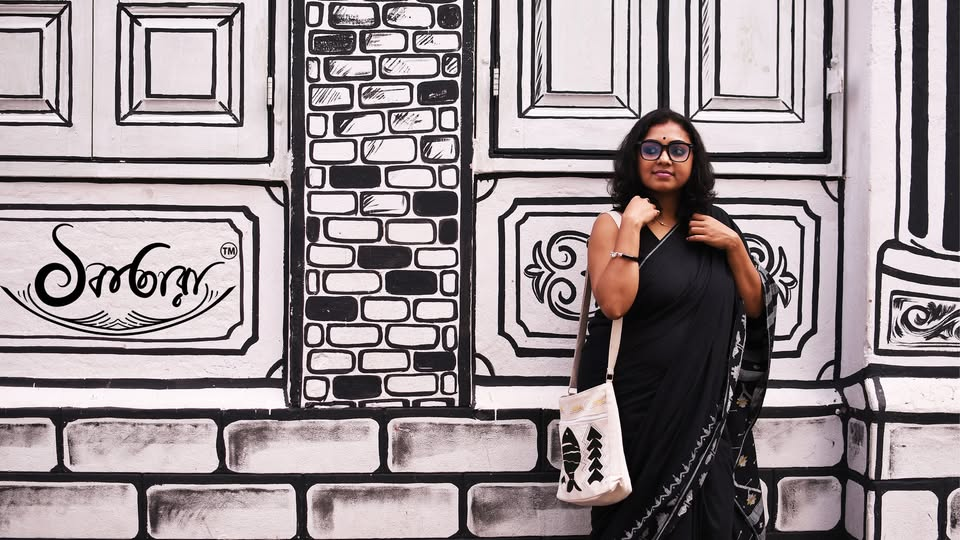
The saree, a timeless garment that has adorned Indian women for centuries, is more than just clothing—it's an art form. The way a saree is draped can completely transform its look and feel, making it suitable for different occasions, regions, and personal styles. Today, we'll explore ten traditional draping styles that every saree enthusiast should know.
1. Nivi Style - The Classic Drape
The Nivi style, originating from Andhra Pradesh, is perhaps the most popular and widely recognized saree draping style. This elegant drape involves pleating the saree at the waist and bringing the pallu (end piece) over the left shoulder. It's perfect for formal occasions and everyday wear alike.
2. Bengali Style - Grace Personified
The Bengali drape is characterized by its distinctive pallu styling, where the end piece is brought from under the right arm, across the chest, and over the left shoulder. This style often includes a key bunch attached to the waist, adding a traditional touch that's both practical and beautiful.
3. Gujarati Style - Comfort Meets Tradition
In the Gujarati style, the pallu is brought from the back, over the right shoulder, and across the chest to the left shoulder. This drape is known for its comfort and ease of movement, making it perfect for daily wear and festive occasions.
4. Maharashtrian Nauvari - The Nine-Yard Wonder
The Nauvari saree is a nine-yard drape that's worn without a petticoat. This traditional Maharashtrian style involves tucking the saree between the legs, creating a dhoti-like appearance. It's both practical and deeply rooted in cultural tradition.
5. Tamil Style - South Indian Elegance
The Tamil or Madisar style is another nine-yard drape, traditionally worn by Tamil Brahmin women. This style involves intricate pleating and tucking, creating a distinctive silhouette that's both modest and elegant.
Tips for Perfect Draping
- Always start with a well-fitted blouse and petticoat
- Use safety pins strategically to secure the drape
- Practice the draping style multiple times before the actual occasion
- Choose the right fabric - some styles work better with certain materials
- Pay attention to the length of the saree for different draping styles
Conclusion
Each saree draping style tells a story of regional culture, tradition, and personal expression. Whether you prefer the classic Nivi style or want to experiment with regional drapes, remember that confidence is your best accessory. Practice these styles, find what works for your body type and occasion, and embrace the timeless elegance of the saree.
Priya Sharma
Fashion Stylist & Saree Expert
Priya has been styling sarees for over 15 years and is passionate about preserving traditional draping techniques while making them accessible to modern women.